
Hoonah-Angoon Census Area Genealogy
The Hoonah-Angoon Census Area covers a stretch of Southeast Alaska's outer coast and islands, encompassing communities with deep Alaska Native Tlingit roots and a history that predates American governance by centuries. Created in 1980, the census area is part of the Unorganized Borough and has no single seat of government. Genealogy records here include government vital records from the early 20th century, tribal enrollment files, and clan history documentation maintained by Alaska Native organizations. The most significant genealogy resources for this area are the Sealaska Heritage Institute and the Hoonah Indian Association, along with government collections indexed through FamilySearch. Researchers with Huna Tlingit ancestry will find this area's records particularly rich when combined with tribal and cultural documentation.
Hoonah-Angoon Census Area Overview
Vital Records for Hoonah-Angoon Genealogy
The government vital record collections for this area are organized by community rather than by the census area as a whole. Hoonah death records date from 1918 to 1921. Hoonah marriage records cover 1918 to 1954. Angoon birth records run from 1913 to 1960. These collections are available through FamilySearch and represent the formally recorded vital events from the American territorial period in these communities. They are the starting point for most genealogy research in the area.
Alaska law restricts access to recent vital records. Birth records less than 100 years old are closed under Alaska Statute 18.50.290. Death, marriage, and divorce records less than 50 years old are similarly restricted by Alaska Statute 18.50.300. For records outside those windows, the Alaska Bureau of Vital Statistics handles certified copy requests, and the Alaska State Archives holds original older records. The Alaska State Archives genealogy page describes the available collections and request procedures.
Because the Hoonah-Angoon Census Area is part of the Unorganized Borough, there is no local borough government to contact for records. All government records are held at the state level or through federal agencies. The Alaska Court System's First Judicial District in Juneau handles court matters for this region.
Sealaska Heritage Institute and Tlingit Family Records
The Sealaska Heritage Institute is the most important resource for Alaska Native genealogy in Southeast Alaska. The institute documents the history and culture of Tlingit, Haida, and Tsimshian peoples, including clan history, family lineage, and cultural documentation. For Hoonah-Angoon Census Area families with Huna Tlingit heritage, Sealaska Heritage Institute holds materials that go far beyond what any government record set can provide.
Tlingit genealogy is organized around clans and moieties rather than nuclear family units as they appear in Western records. Understanding which clan an ancestor belonged to can open up connections to relatives across multiple communities and generations. Sealaska Heritage Institute staff can help researchers understand how to use clan-based genealogy tools alongside standard government records. The combination of clan documentation and official vital records often produces the most complete family histories for Southeast Alaska Native families.
Hoonah Indian Association and Tribal Records
The Hoonah Indian Association is the tribal government for the Huna Tlingit people of Hoonah. As a federally recognized tribe, the association maintains tribal enrollment records and family history documentation for enrolled members and their descendants. Tribal enrollment records can be a key source for genealogy because they often include information about parents, grandparents, and community relationships that don't appear in state vital records.
Access to tribal records is governed by tribal policy rather than state or federal open records law. Researchers should contact the Hoonah Indian Association directly to ask about what records are available and the process for accessing them. The association can also provide referrals to other tribal organizations or cultural resources that hold materials relevant to Huna Tlingit family history research.
The National Archives in Seattle holds a large collection of Bureau of Indian Affairs records for Alaska, including school records, census rolls, and correspondence from the early American period. These federal records often document Alaska Native families from Southeast Alaska in detail and can supplement tribal records for research covering the late 1800s and early 1900s.
Glacier Bay National Park and Regional History
Glacier Bay National Park sits within the Hoonah-Angoon Census Area and has its own historical records connected to the families who lived and worked in the region. The Huna Tlingit people have a deep historical relationship with Glacier Bay, and the NPS has worked with the Hoonah Indian Association to document and acknowledge that history. Park records and interpretive materials may include references to family names and community connections.
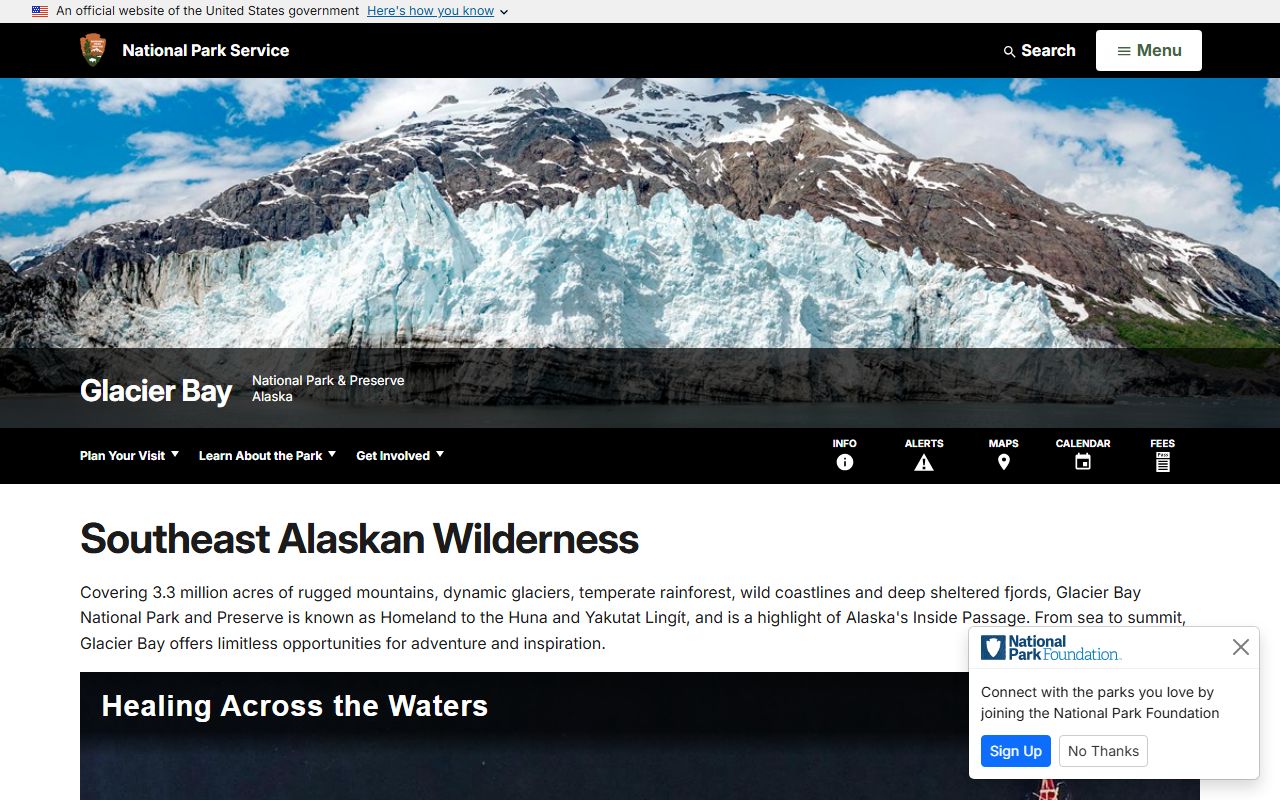
The NPS regional office in Anchorage holds administrative records from Glacier Bay's history as a national monument and later as a national park. These records may document families involved in guiding, fishing, and other activities within the park boundaries over the decades. For researchers with family connections to the Glacier Bay area, a query to the NPS regional office is worth the effort.
Alaska State Archives and Online Collections
The Alaska State Archives in Juneau is the primary repository for government records relevant to the Hoonah-Angoon area. Their collection guides describe what records exist for each region and community, and staff can help identify which collections apply to a specific research question. Many older territorial records have been microfilmed and are available through FamilySearch Family History Centers.
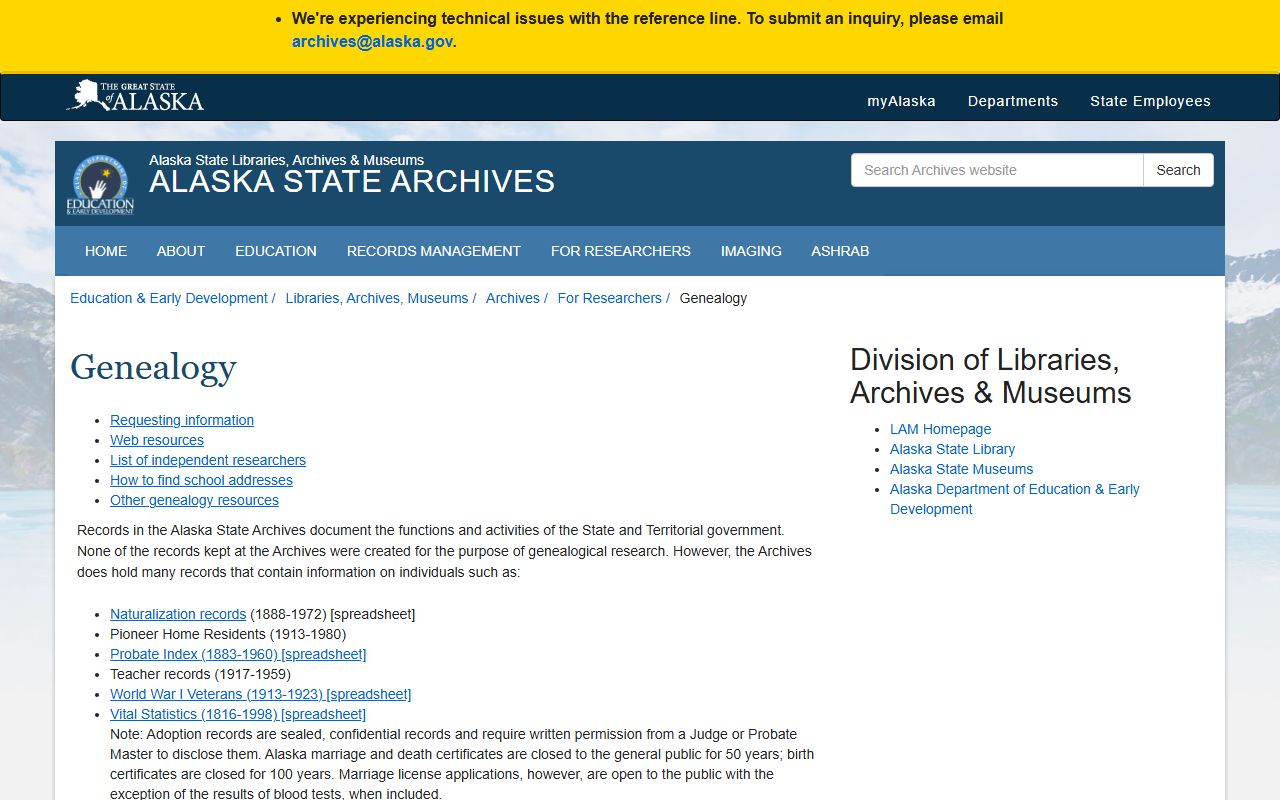
The Hoonah-Angoon Census Area Genealogy wiki page on FamilySearch lists all indexed collections available online with date ranges and descriptions. That page is the right starting point for online research before contacting archives directly. The Alaska Online Genealogy Records page gives a broader picture of what's available statewide, which is useful for tracing family members who moved between Southeast Alaska communities over the years.
For photographs and visual materials from Hoonah, Angoon, and the surrounding area, the VILDA digital archive from the University of Alaska holds historical images that can help place families in context. The Alaska State Library genealogy guide and the Alaska Historical Society both provide additional statewide research guidance. For land records, the Alaska DNR Land Records system handles current transactions, and older federal land actions are held at the National Archives in Seattle.
Communities in Hoonah-Angoon Census Area
The census area includes Angoon, Hoonah, Pelican, Port Alexander, and Tenakee Springs as its main communities. None of these communities meet the population threshold for a dedicated city genealogy page. All government records for the area are accessed through state and federal archives. Tribal records are held separately by tribal governments and the Sealaska Heritage Institute.
Nearby Boroughs and Census Areas
These neighboring Southeast Alaska regions share historical and family connections with Hoonah-Angoon and may hold records relevant to families in this census area.