
Bethel Census Area Genealogy Records
Genealogy research in Bethel Census Area calls for a layered approach, drawing on Kuskokwim vital records going back to 1902, Moravian and Russian Orthodox church registers that predate state record-keeping, territorial court and coroner's records, and land documents from the Bethel Recording District. This remote southwestern Alaska census area has no central borough government, so records are spread across state archives, federal repositories, church offices, and volunteer websites.
Bethel Census Area Overview
FamilySearch Kuskokwim and Bethel Collections
The most important starting point is the FamilySearch Bethel Census Area genealogy guide, which covers all major record types available for this area. FamilySearch holds digitized images of several key collections that researchers can access for free:
- 1902-1974 Alaska Territory, Kuskokwim, Births, Marriages, and Deaths
- 1913-1995 Alaska, Bethel Precinct, Marriage Records, including certificates and license dockets
- 1914-1955 Alaska, Bethel, Coroner's Records, including death investigations and coroner's reports
- 1930-1960 Alaska, Bethel, Probate Records from the 4th Division Bethel Precinct
Statewide birth and death registration started in Alaska in 1913, but full compliance in isolated areas like the Kuskokwim region came later. The Kuskokwim vital records collection starting in 1902 predates the state system and reflects early missionary and federal record-keeping in the area. Records from the 1816 to 1936 period are available on microfilm at the National Archives Alaska Region, the Rasmuson Library at the University of Alaska, the Bureau of Vital Statistics, and the Family History Library.
Some Bethel Precinct records remain unindexed and require more work to search. Death certificates from volumes 8 through 12 (covering 1936 to 1960), marriage certificates from 1955 to 1960, and marriage license dockets from 1917 to 1951 are available but not fully indexed. Goodnews Bay Precinct records covering death certificates and marriage records from 1939 to 1948 also exist. For help navigating these, the volunteer site AKGenWeb Bethel Census Area provides useful guidance and links to local resources, though as a volunteer project it may not always be current.
Church Records: Moravian and Russian Orthodox
Church records are critical for Bethel Census Area genealogy, particularly for Alaska Native families whose ancestors were not consistently captured in government vital records. The Moravian Church is the second largest denomination in Alaska and has a strong presence in Bethel and along the Kuskokwim River. Moravian Church Records for Kuskokwim Bay from 1900 to 1980 are available at FamilySearch. The Alaska Moravian Church office is at PO Box 545, Bethel, AK 99559, with headquarters in Bethlehem, PA (phone 610-867-7566).
Russian Orthodox Parish Registers for the Kuskokwim area from 1895 to 1917 are also at FamilySearch. These registers predate both the territorial and state record-keeping systems and are among the oldest systematic records available for Alaska Native communities in this region. They typically include baptism records, marriages, and burial entries. If your research goes back to the late 1800s or early 1900s in the Kuskokwim area, checking the Orthodox registers before looking at government vital records is a smart move.
Vital Records Access
Certified copies of Bethel Census Area vital records are ordered through the Alaska Bureau of Vital Statistics, not from any local office. The state handles all current vital records. Orders can be placed online through VitalChek or by mail through the forms at health.alaska.gov. Offices are in Anchorage (3601 C Street, Suite 128) and Juneau (5441 Commercial Blvd).
State law restricts access to recent records. Under Alaska Statute 18.50.290, birth records are closed for 100 years from the date of birth. Alaska Statute 18.50.300 restricts death, marriage, and divorce records for 50 years from the event date. Records older than those limits are open to the public. A first certified copy costs $30, with additional copies at $25 each. Mail and fax requests can take two to three months to process.
Land Records and the Bethel Recording District
Land records for Bethel Census Area are managed through the Bethel Recording District under the Alaska Department of Natural Resources. Key collections at FamilySearch include 1900-1920 Alaska, Bethel, Miscellaneous Records from the Bethel Recording District and the 1900-1947 Kuskokwim Miscellaneous Index and Recordings. These documents cover deeds, leases, and other property transactions that can name family members and reveal migration patterns.
The free online Alaska Land Records Information System (ALRIS) lets you search recorded land documents for the Bethel area without traveling to a recorder's office. Federal land patents from 1906 to 1975 are available through Ancestry. Mining claim records and homestead patents can document presence in an area even when vital records are missing, and they sometimes include affidavits with detailed personal information.
Probate, Court, and Coroner's Records
Bethel Probate Records from 1930 to 1960 are at FamilySearch as part of the 4th Division Bethel Precinct collection. Probate files typically name the deceased, their heirs, and any debts or assets, making them one of the most genealogically rich record types. The statewide Alaska State Archives Probate Index covers 1883 to 1960 and includes about 17,000 cases; you can download it as a spreadsheet from the archives website.
Coroner's records from the Bethel area covering 1914 to 1955 are at FamilySearch. Coroner's inquests name the deceased, the circumstances of death, and often list witnesses or family members who testified. These records can confirm deaths that never made it into formal vital records registration, particularly in the earlier decades when compliance was low.
The AKGenWeb Bethel Census Area site at akgenweb.whalen-family.org provides volunteer-maintained guides to local genealogy resources, church contacts, and record locations specific to the Kuskokwim region.
State-Level Genealogy Resources
The Alaska State Archives in Juneau holds the broader territorial and state records that cover Bethel Census Area. This includes naturalization records from 1888 to 1972 (downloadable spreadsheet), teacher records from 1917 to 1959 covering educators in remote schools, and military service discharge records from 1898 to 1934. The Archives Research Inquiry Form lets you submit specific requests if you cannot find a record through online indexes.
The Alaska State Library Historical Collections at 395 Whittier Street, Juneau (open Monday through Friday, 10 AM to 4 PM, phone 907-465-2910) holds the Alaska People Index with over 20,000 names from 1935 to 1985. The Bethel Public Library also offers Ancestry Library Edition for in-library use, which provides access to census records, military records, immigration records, and more. This is worth using if you are in Bethel and doing active research.
Alaska's Digital Archives at vilda.alaska.edu provides photographs and historical documents from Kuskokwim communities through a searchable interface. The collection was built jointly by the Alaska State Library, University of Alaska Anchorage, and University of Alaska Fairbanks. Historical photographs can help confirm identities and place ancestors in a community context.
For Alaska Native genealogy research, the Lost Alaskans database at lostalaskans.com documents residents who were sent to Morningside Hospital in Portland, Oregon from 1904 through the 1960s. Many families lost track of relatives sent to this institution, and the database can help reconnect those family lines.
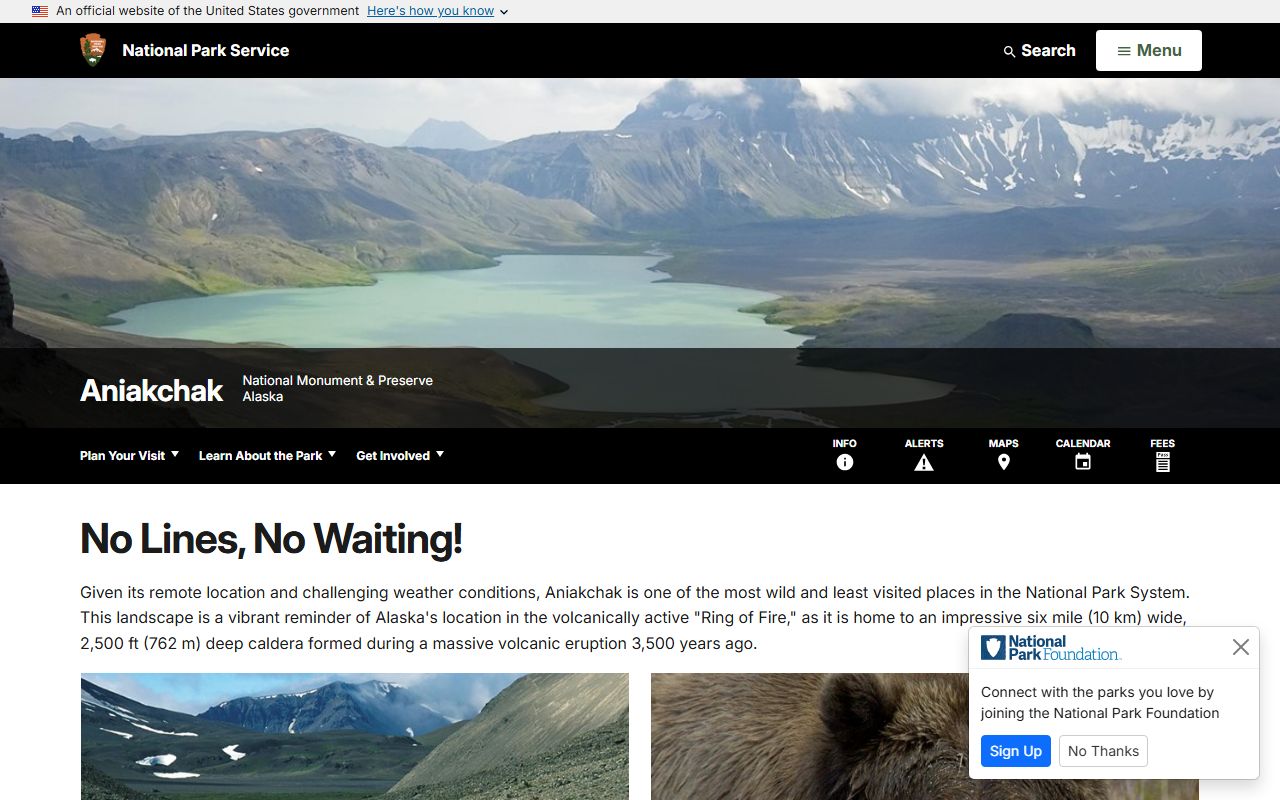
Aniakchak National Monument, located within Bethel Census Area, is documented through National Park Service records at nps.gov/ania, which may include historical records related to Alaska Native communities in the area.
Cities in Bethel Census Area
Bethel is the largest community in this census area and serves as the regional hub for the Kuskokwim area.
Nearby Census Areas
Research in Bethel Census Area may lead you into neighboring areas where records overlap or families moved. Check these adjacent census areas: