
Copper River Census Area Genealogy Records
The Copper River Census Area holds genealogy records tied to one of Alaska's most historically active regions, from the copper boom at Kennecott to the early homesteads along the Richardson Highway. Records in this area date back to the early 1900s and include court filings, land deeds, probate cases, and vital records from towns like Chitina, Copper Center, Glennallen, and McCarthy. The area was carved out of the old Valdez-Cordova Census Area in 2019. Many of the oldest documents survive in state archives and on FamilySearch, making it possible to trace family lines that go back more than a century in this remote part of southcentral Alaska.
Copper River Census Area Overview
Vital Records for Copper River Genealogy
Vital records from the Copper River area go back to the early territorial period. The oldest birth records from Copper Center date to 1913 and run through 1915. Chitina holds a broader set of birth, marriage, and death certificates spanning 1915 through 1969. Marriage records from Copper Center cover two separate ranges: 1913 to 1915 and again from 1949 through 1965. These are the core records for tracing family connections in this part of Alaska.
Most vital records for births less than 100 years old are restricted under Alaska Statute 18.50.290. Death, marriage, and divorce records less than 50 years old fall under Alaska Statute 18.50.300. For older records outside those windows, many have been digitized and are available through FamilySearch or the Alaska State Archives.
The Alaska Bureau of Vital Statistics handles statewide vital records requests. Their office can help with records going back through the territorial era. For genealogy purposes, older Copper River vital records are often easier to find through FamilySearch's Alaska collections than through the state office directly. The Alaska State Archives genealogy page lists available collections with date ranges and access details.
Land and Court Records in Copper River
The land record collections from this area are rich and well-preserved. The Chitina General Deed Index runs from 1899 to 1944, and the Chitina Fee Books cover 1910 through 1960. Plat books for Chitina and McCarthy span 1919 to 1989. These are useful for establishing when families arrived, what land they held, and how property passed from one generation to the next.
Court records from Copper Center fill in other gaps. Coroner's inquests from 1949 to 1954 and court records from 1951 to 1960 document deaths and legal proceedings from the postwar period. Probate records from the Chitina Precinct run 1922 to 1962, and McCarthy probate records cover 1919 to 1928. Together, these collections make it possible to reconstruct family histories even when no direct vital records survive.
Land records in Alaska are managed at the state level through the Alaska DNR Land Records office. For older deed and plat records specific to the Copper River area, the Alaska State Archives holds original documents that have not yet been fully digitized. It's worth calling ahead before visiting to confirm what is available on site.
Kennecott and the Mining Era
The Kennecott copper mines operated from 1911 to 1938 and drew workers from around the world. This makes Kennecott one of the most significant genealogy sources in the entire Copper River region. The National Park Service now preserves the Kennecott Townsite as part of Wrangell-St. Elias National Park and has compiled historical records related to the company and its workers.
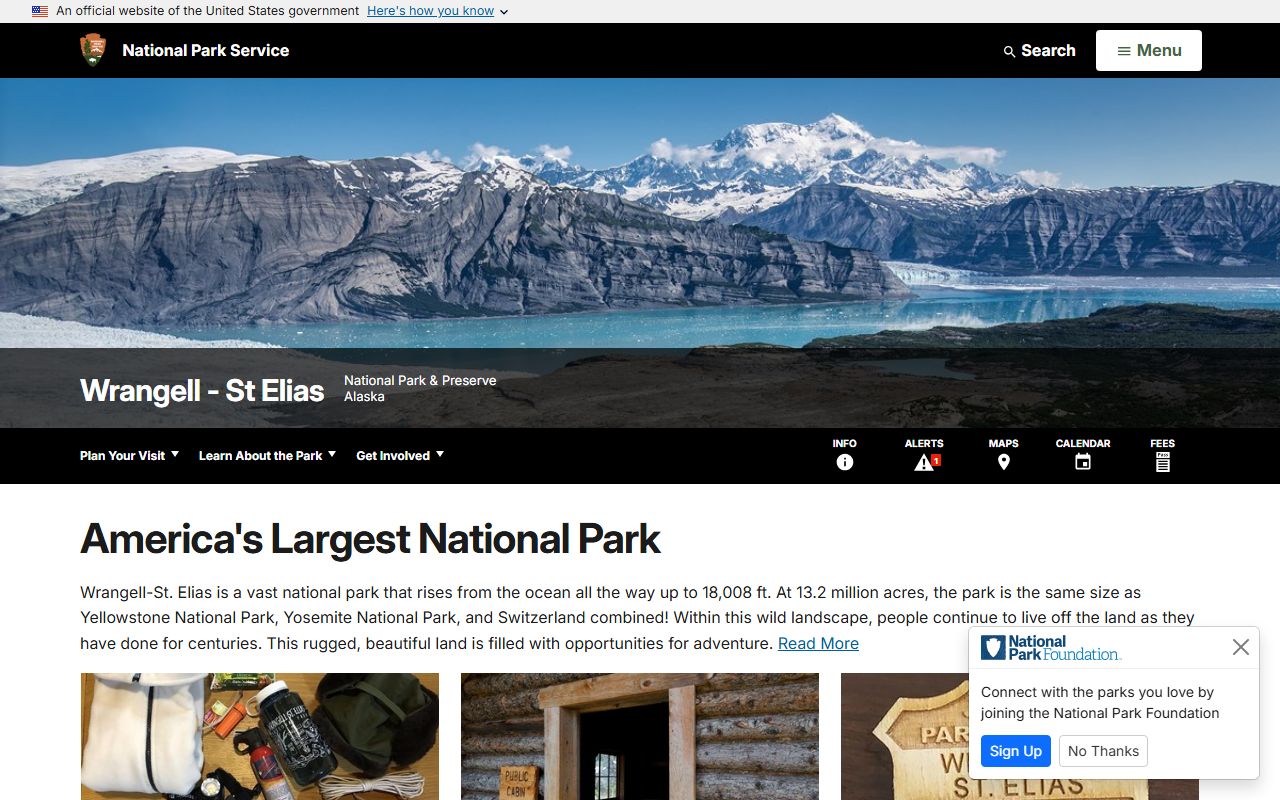
If your ancestor worked at Kennecott, the NPS site is a good starting point. The company employed miners, engineers, cooks, and support staff. Many came from Scandinavia, Eastern Europe, and the continental United States. Some stayed in Alaska after the mine closed. The NPS maintains interpretive records and can direct researchers to relevant archival collections.
The ghost town of Chisana and other abandoned settlements in the area also hold clues for researchers. These communities appeared quickly during mining rushes and vanished just as fast. Church records, claim filings, and correspondence sometimes survive even when no formal vital records exist.
FamilySearch and Online Genealogy Resources
FamilySearch has indexed a number of Copper River records and made them searchable online at no cost. The Copper River Census Area Genealogy wiki page on FamilySearch lists the collections available and describes what each one covers. This is a good place to start before contacting archives directly.
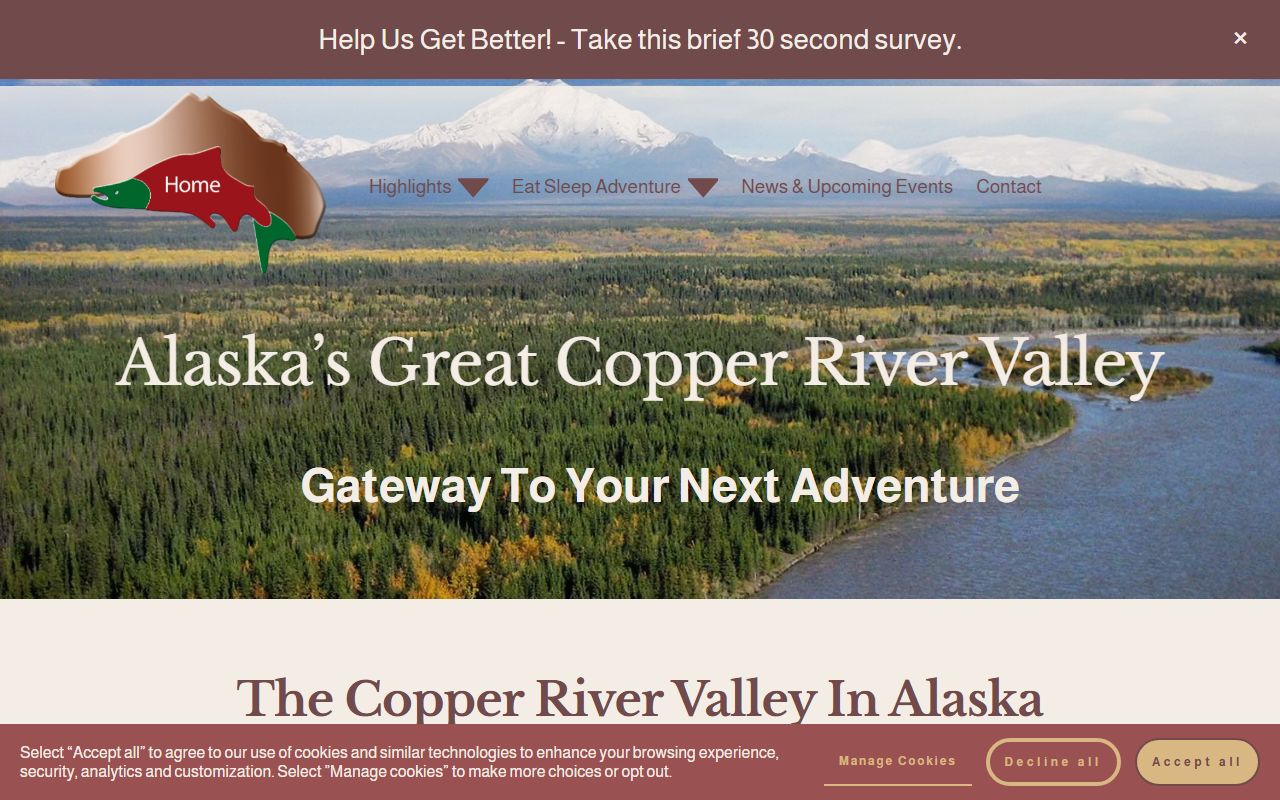
The Alaska State Library also maintains a genealogy guide at library.alaska.gov that covers available collections statewide. The Alaska Historical Society at alaskahistoricalsociety.org holds additional materials that may supplement what you find through FamilySearch and the state archives. For photographs and visual history, the VILDA digital archive from the University of Alaska is worth browsing.
The Lost Alaskans project focuses on Alaska's early institutions and individuals and may have records connected to Copper River families. It's a smaller resource but often turns up names not found elsewhere.
Accessing Copper River Records
The Copper River Census Area is an unorganized borough, which means it has no borough government of its own. Records are held by the state rather than a local office. For genealogy purposes, this means your first stop is usually the Alaska State Archives in Juneau or an online database like FamilySearch rather than a local clerk's office.
The Alaska State Archives can be reached through archives.alaska.gov. Their collection guides list what records exist for each region and how to request copies. Some older records have been microfilmed and are available through FamilySearch Family History Centers. If you live outside Alaska, a local Family History Center can order microfilm on your behalf at no charge.
For federal records including homestead claims, land patents, and military service records, the National Archives in Seattle holds a large collection of Alaska materials. Many Copper River homesteaders filed land claims through the federal government, so the Seattle office is often the right place to look for land-related genealogy records from the early 1900s.
Communities in Copper River Census Area
The Copper River Census Area includes several small communities, none of which meet the population threshold for a dedicated city page. Glennallen is the largest hub. Other populated places include Chitina, Copper Center, Gakona, Gulkana, Kenny Lake, McCarthy, and Tazlina. Historical settlements like Kennecott and Chisana are now ghost towns but remain important for genealogy research.
Nearby Boroughs and Census Areas
These areas border Copper River and may hold records for families who moved between regions.