
Search Northwest Arctic Borough Genealogy Records
Genealogy research in Northwest Arctic Borough takes you into the Kotzebue Sound region of northwestern Alaska, where Inupiaq families have lived along the rivers and coasts for millennia, where Russian explorers arrived in the early 1800s, and where U.S. territorial administration in the early 20th century began creating the vital records and village census rolls that genealogists rely on today. Records for this region include Noatak-Kobuk birth, marriage, and death records dating to 1913, Alaska Village Census Rolls from 1919 onward, NANA Regional Corporation enrollment files, and digital collections at FamilySearch that cover the entire borough area.
Northwest Arctic Borough Overview
Noatak-Kobuk Vital Records: Births, Deaths, and Marriages
The most important record collections for Northwest Arctic Borough genealogy are the Noatak-Kobuk vital record series held at the Alaska State Archives. These cover communities along the Noatak and Kobuk rivers and reflect the administrative geography of the region before modern borough boundaries were drawn.
Alaska Noatak-Kobuk Birth Records cover 1913 to 1958. Noatak-Kobuk Death Records span the same period, 1913 to 1958. Noatak-Kobuk Marriage Records run from 1913 to 1960. The slight extension of the marriage records reflects when civil marriage recording became more consistently practiced in the region. These three collections together give a 45-year window into family formations, births, and deaths across the main river communities of what is now Northwest Arctic Borough.
Name spelling in these records can vary considerably. Inupiaq names were recorded by non-Native administrators who spelled what they heard, and the same person may appear under two or three different spellings across different records. Checking all variations of a name, and comparing birth records with census rolls to confirm identity, is important for this region. The Alaska State Archives genealogy portal explains how to search these collections and submit research requests.
For recent certified copies of births, deaths, marriages, and divorces, contact the Alaska Division of Public Health Vital Records Office. Under Alaska Statute 18.50.290, birth records under 100 years old are restricted. Death, marriage, and divorce records under 50 years old are protected by AS 18.50.300.
Alaska Village Census Rolls for the Kotzebue Region
Alaska Village Census Rolls from 1919 to 1972 are available through FamilySearch and are a core resource for Northwest Arctic Borough genealogy. These rolls documented the populations of Alaska Native villages across the territory and state, listing household members by name, age, and sometimes relationship. For families in Kotzebue, Kiana, Kobuk, Noatak, Noorvik, Selawik, and the other communities of the NANA region, these rolls provide decade-by-decade population snapshots that can trace family lines across generations.
The rolls reflect seasonal and permanent residency patterns. Inupiaq families in this region moved between coastal fishing camps, river fishing sites, and permanent winter villages. Census takers caught some families in transit, which can create apparent gaps when a family does not appear in one year's roll for their home village. Checking rolls for multiple years and for neighboring communities can close those gaps.
The FamilySearch Northwest Arctic Borough genealogy guide lists all digitized collections available for this region as free images. It also links to the broader Alaska guide, which covers collections that apply statewide. WWII Draft Registration Cards from 1940 to 1945 and Military Service Discharge Records 1898 to 1934 are among the collections that may include Northwest Arctic Borough men.
NANA Regional Corporation and Alaska Native Records
The NANA Regional Corporation is one of the 13 Alaska Native regional corporations created by the Alaska Native Claims Settlement Act of 1971. It serves the Inupiaq communities of the Kotzebue Sound region, which is the same geographic area as Northwest Arctic Borough. NANA's headquarters is in Kotzebue.
The NANA Regional Corporation serves the Inupiaq communities of the Kotzebue Sound region and holds enrollment records and shareholder documentation that can support Alaska Native genealogy research in Northwest Arctic Borough.
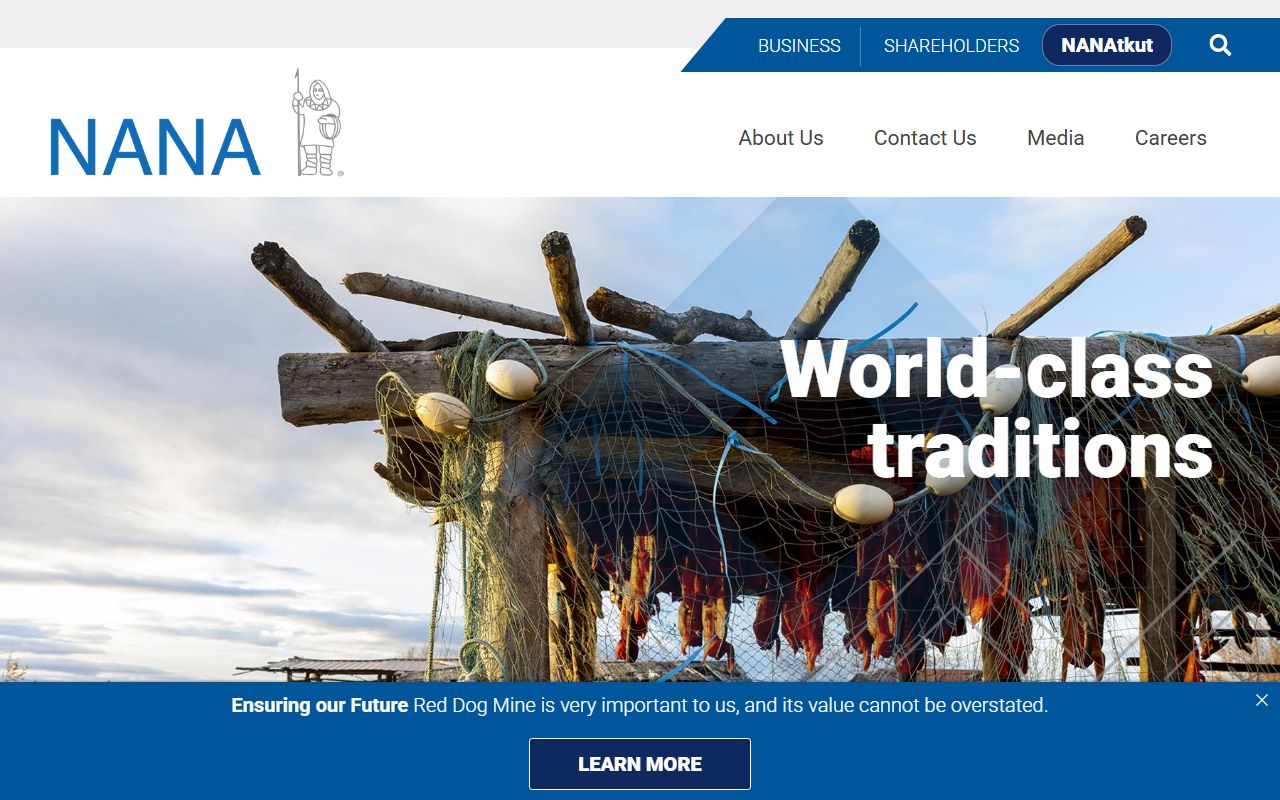
ANCSA corporation enrollment records document shareholders and their descendants. Original enrollment occurred in 1971 and 1972, and the resulting shareholder rolls can serve as genealogical records by confirming Alaska Native heritage and family relationships. Subsequent generations have been enrolled through procedures that continue to document family lines. For researchers tracing Inupiaq families in the NANA region, ANCSA records complement the territorial-era village census rolls and vital records.
The Alaska Historical Society genealogy resources page provides leads on ANCSA records and other Alaska Native genealogy collections. The National Archives at Seattle holds Bureau of Indian Affairs records for Alaska, which can include agency correspondence, school enrollment records, and other administrative files that document Native Alaskan families in the Kotzebue region during the territorial period.
Kobuk Valley National Park and Regional Context
Kobuk Valley National Park lies at the heart of the Northwest Arctic Borough, encompassing the Kobuk River valley and the surrounding terrain that has been home to Inupiaq communities for centuries. The National Park Service holds archival materials, oral histories, and documentation of the region that can provide genealogical context for families whose ancestors lived in or near the park area.
The Kobuk Valley National Park encompasses the Kobuk River valley in Northwest Arctic Borough and holds NPS archival materials and oral histories documenting Inupiaq families in the region over many generations.
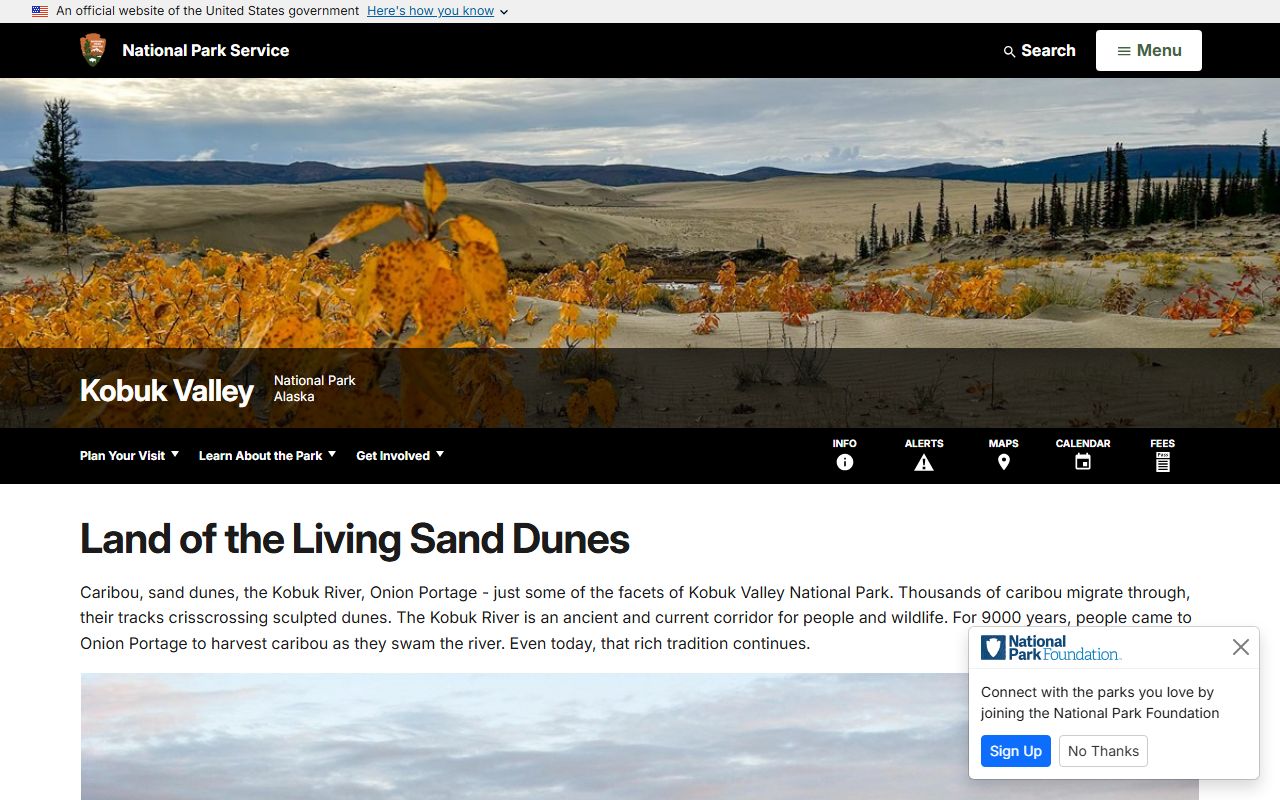
The NPS park archives at Kobuk Valley and neighboring Cape Krusenstern National Monument hold ethnographic materials collected by anthropologists and NPS staff over many decades. These include interviews with elders, documentation of traditional place names, and records of seasonal subsistence camps that can help researchers understand where their ancestors spent different parts of the year. Some of these materials are accessible through the NPS Alaska Regional Office in Anchorage.
The VILDA Alaska digital archive holds photographs and documents from Northwest Arctic communities. Images of Kotzebue, Kiana, Noatak, and other communities can help researchers visualize the places where their families lived. The Lost Alaskans database can help connect names to specific locations and dates across early Alaska history.
Kotzebue and Regional Vital Records at State Archives
In addition to the Noatak-Kobuk collections, the Alaska State Archives holds other records relevant to Northwest Arctic Borough research. Court records from Kotzebue document civil and criminal matters that can yield family information. Probate files from the territorial period name heirs and beneficiaries. Estate inventories sometimes list household members and their relationships to the deceased.
Naturalization records covering 1884 to 1991 are available through FamilySearch and include records from Kotzebue for the period when immigration to the region was more common. Some Scandinavian and Finnish settlers came to the Kotzebue area as traders and missionaries in the late 1800s and early 1900s, and their naturalization files may survive in the Archives collection.
The Alaska State Library's genealogy guide at library.alaska.gov provides additional leads on newspaper indexes, cemetery records, and secondary sources for the Kotzebue region. Kotzebue had newspapers beginning in the mid 20th century, and obituary indexes from those papers can supplement formal death records. For newspapers from the territorial period, the Alaska State Library holds microfilm copies that can be requested by mail.
Federal Records for Northwest Arctic Borough Families
Federal records are a major resource for this region because the federal government administered Alaska as a territory for most of the 20th century. BIA records at the National Archives in Seattle cover agency operations in the Kotzebue area and can document Alaska Native families through school enrollment, land allotment, and agency correspondence files. BIA school records often named both students and their parents, providing a link between generations that may not appear in civil vital records.
Federal census records for Alaska begin in 1880 and continue through the modern period, with the 1940 census now fully open to the public. The Kotzebue area appears in census records from 1900 onward. Early census enumerations of Alaska Native villages were sometimes incomplete, but comparing multiple census years can reveal family patterns and trace individual names over time. Census records are available through FamilySearch and Ancestry Library Edition.
The National Archives at Seattle also holds federal court records for Alaska, which can document naturalization proceedings, civil disputes over land and property, and criminal matters. For families with members who went through formal legal proceedings in the Kotzebue area, the Seattle Archives is a key resource.
Nearby Borough Genealogy Resources
Northwest Arctic Borough is surrounded by other large Alaskan jurisdictions with overlapping family connections. Many Inupiaq families have ties across regional boundaries, and records in neighboring areas may document Northwest Arctic Borough residents at different periods.
North Slope Borough to the north and east shares Inupiaq cultural heritage with Northwest Arctic Borough, and families moved between the two regions for trade, marriage, and subsistence. Nome Census Area to the south covers the Seward Peninsula, another Inupiaq region with close connections to Kotzebue Sound communities. Yukon-Koyukuk Census Area to the east covers the vast interior, and some Northwest Arctic families have historical connections to Athabascan communities along the Yukon River.